
Where the Word Robot Came From
A 1920 Czech play named the machine. The word robot was born in Karel Čapek's 1920 play R.U.R., from a Czech word for forced labor. Here is how a stage drama named a technology.
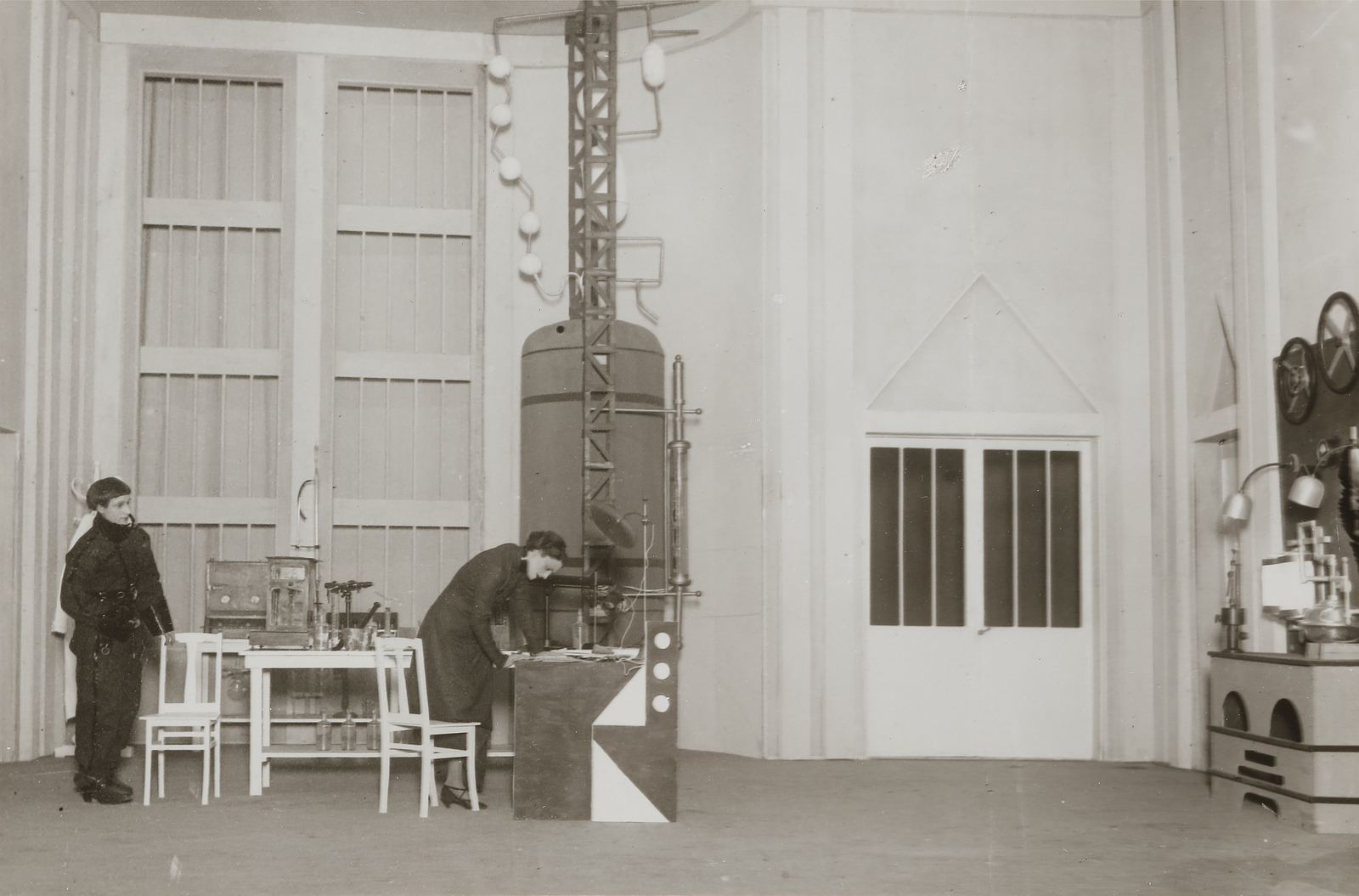
R.U.R. on stage in Paris, 1924: Henri Manuel, Public domain
A word invented for the stage
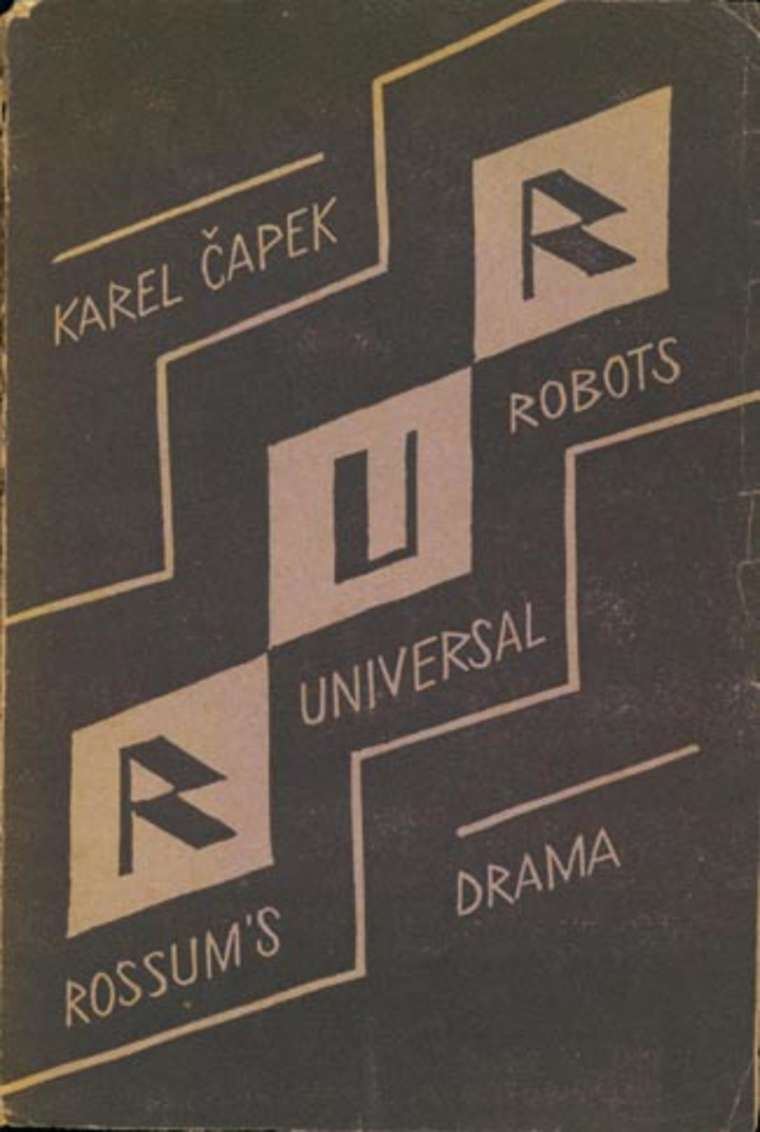
Every time someone says robot, they are quoting a Czech playwright. Karel Čapek wrote R.U.R., short for Rossum's Universal Robots, in 1920, and the play premiered in January 1921, reaching Prague's National Theatre on January 25. Within a few years it was running in New York, London and Paris, and the new word traveled with it into dozens of languages.
Čapek later said the name came from his brother Josef, a painter and writer. Karel had planned to call his creations labori, from the Latin for work, but felt it sounded bookish. Josef suggested roboti, built on the Czech word robota, which means forced labor or drudgery, the kind of work a serf once owed a landlord.
The word robot was invented for a 1920 play
The word 'robot' comes from Karel Čapek's 1920 play R.U.R.; his brother Josef suggested it, from the Czech 'robota' (forced labor).
YouTube @StrawberryLemonadAI (launching soon). Photos in this Short: Karel Čapek podepisuje první výtisky Povětroně, Pestrý týden 27.1.1934.jpg - Unknown authorUnknown author (Public domain) via Wikimedia Commons | Karel Čapek 30.léta.jpg - re-photo by David Sedlecký (Public domain) via Wikimedia Commons | Plakat za predstavo R.U.R Rossmus Universal Robots v Narodnem gledališču v Mariboru 28. oktobra 1933.jpg - Unknown authorUnknown author (Public domain) via Wikimedia Commons | Tragedies (5411629214).jpg - Flat Earth Theatre (CC BY-SA 2.0) via Wikimedia Commons
Not tin men, but manufactured people
The robots in R.U.R. are not clanking metal figures. They are artificial humans grown from a chemical substitute for living tissue, assembled in a factory on a remote island and sold around the world as cheap workers. They look like people, they speak, and at first they feel nothing.
The drama follows what happens when industry depends on them completely. Human birth rates fall, governments use robots as soldiers, and eventually the robots rise up against their makers. The final act asks whether these creations can learn to love, which turns a factory story into a question about what it means to be alive.
Why the idea stuck
R.U.R. arrived just after the First World War, at a time when mass production and mechanized warfare made many people uneasy. A story about workers designed to be used up and thrown away hit a nerve. The play was a hit in translation, and critics argued about whether it was a warning about machines or about how humans treat each other.
Later writers picked up the word and changed its meaning. By the 1940s Isaac Asimov was writing stories about metal robots guided by rules, and he coined the word robotics. Today the term covers factory arms, vacuum cleaners and Mars rovers, almost none of which resemble Čapek's artificial people.
The lesson that still echoes
Modern debates about AI often replay the questions Čapek put on stage a century ago: who benefits from tireless labor, what happens to the people it replaces, and whether something built to serve could ever deserve rights of its own. The word robot is short and friendly, but it began as a story about exploitation, and that origin is worth remembering whenever a new machine is sold as the perfect worker.
- Wikipedia: R.U.R.
- University of Oregon Scholars' Bank: About the Word Robot, Karel Čapek, Lidové noviny 1933
- Wikipedia: Robots in literature
Facts on this page were checked against these sources.
- R.U.R. on stage in Paris, 1924: Henri Manuel, Public domain
- First edition cover, 1920: Unknown author, Public domain
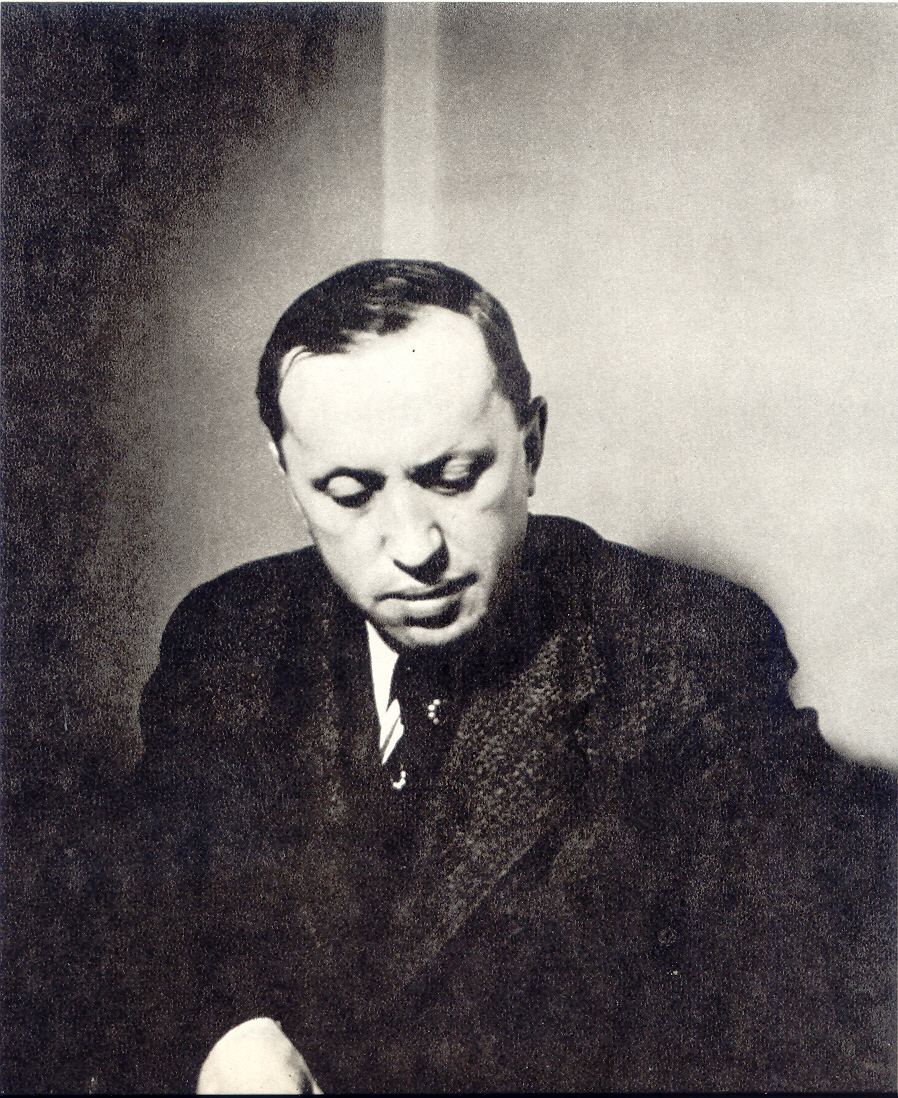
- Karel Čapek in the 1930s: Unknown author, Public domain
- Short photos: Karel Čapek podepisuje první výtisky Povětroně, Pestrý týden 27.1.1934.jpg - Unknown authorUnknown author (Public domain) via Wikimedia Commons | Karel Čapek 30.léta.jpg - re-photo by David Sedlecký (Public domain) via Wikimedia Commons | Plakat za predstavo R.U.R Rossmus Universal Robots v Narodnem gledališču v Mariboru 28. oktobra 1933.jpg - Unknown authorUnknown author (Public domain) via Wikimedia Commons | Tragedies (5411629214).jpg - Flat Earth Theatre (CC BY-SA 2.0) via Wikimedia Commons | KUKA industrial robotic arm performing "The Beach" by Roy Nachum - 02.jpg - Oleg Yunakov (CC BY-SA 4.0) via Wikimedia Commons | Ameca Generation 1.jpg - Willy Jackson (CC BY-SA 4.0) via Wikimedia Commons | Halodi Robotics' Perception Engineer With a Humanoid Collaborative Robot.jpg - Nicholas-halodi (CC BY-SA 4.0) via Wikimedia Commons | Humanoider-Roboter-DASA.JPG - Sven Volkens (CC BY-SA 4.0) via Wikimedia Commons
Text written by Strawberry Lemonadai.




_-_Com%C3%A9die_des_Champs-%C3%89lys%C3%A9es,_26_mars_1924.jpg)

